Diabetes Insights: South Asian Health Strategies
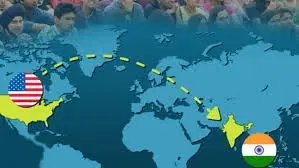
Indiaspora was pleased to host 'Sweet Truths', a panel discussion about diabetes prevalence and management in the South Asian community featured experts Dr. Vivek Murthy, Former Surgeon General of the United States. Dr. K.M Venkat Narayan, Executive Director, Emory Global Diabetes Research Center, our Session Chair, Dr. Nalini Saligram, Founder & CEO of Arogya World, Dr. Ravichandran Ramasamy, Professor, NYU Grossman School of Medicine and Dr. Alka Kanaya, Professor Medicine, the University of California, San Francisco (UCSF). This was part 2 our health series. We are grateful to our panel of speakers and the hundreds of registered guests who joined us virtually.
Watch Here
The diabetes epidemic disproportionately affects the South Asian community, with rates nearly four times higher than the general population. This guide explores evidence-based strategies, cultural considerations, and community-driven solutions for diabetes and the South Asian community. From understanding genetic predispositions to implementing culturally-sensitive interventions, we examine how the global South Asian diaspora can address this critical health challenge through informed action and collective advocacy.
Understanding South Asian diabetes risk requires examining both genetic and environmental factors. Our community faces unique challenges that increase diabetes susceptibility.
Research shows South Asians carry specific gene variants that affect insulin function. These genetic patterns make our bodies process sugar differently than other populations. This means diabetes can develop even at lower body weights.
Modern lifestyle changes impact our health significantly. Urban living often means less physical activity and more processed foods. For diaspora communities, stress from cultural adaptation adds another risk layer.
Sedentary work environments
Increased consumption of processed foods
Cultural stress and adaptation challenges
Changes from traditional dietary patterns
Diabetes in Indian population shows distinct patterns compared to other ethnic groups. These differences affect diagnosis, treatment, and prevention strategies.
South Asians typically develop diabetes about 10 years earlier than other populations. This means screening should start sooner. Many people in our community develop diabetes in their 30s and 40s.
Traditional BMI guidelines don't apply well to South Asians. Our community can develop diabetes at lower body weights. This "thin-fat" pattern means belly fat increases risk even when overall weight seems normal.
Diabetes prevention South Asians requires culturally adapted approaches. Evidence-based strategies work best when they respect our cultural values and preferences.
Small changes make big differences in diabetes prevention. Focus on sustainable modifications that fit into daily routines.
Include 30 minutes of daily walking
Choose brown rice over white rice
Reduce oil in cooking by half
Add more vegetables to traditional dishes
Practice portion control during meals
Family and community support greatly improve success rates. Group activities and shared goals create accountability. Many temples and community centers now offer health programs.
Traditional South Asian foods can support diabetes prevention when prepared thoughtfully. The key is balancing cultural preferences with health needs.
Turmeric and other anti-inflammatory spices
Legumes like dal and chickpeas
Leafy green vegetables
Whole grains instead of refined options
Deep-fried snacks and sweets
White rice and refined flour
Sugary drinks and desserts
Excessive ghee and oil
Family involvement is crucial for successful diabetes management among South Asians. Creating supportive home environments helps everyone make healthier choices.
Open discussions about health remove stigma around diabetes. Educate all family members about risk factors and prevention. Share success stories to inspire positive changes.
Simple modifications support healthy living for the whole family. Stock healthier snack options. Create spaces for physical activity at home. Plan family meals that include diabetes-friendly options.
Early detection saves lives and prevents complications. South Asians should begin diabetes screening earlier than general population guidelines suggest.
Begin screening at age 25 if overweight
Start at age 30 for everyone else
Screen every 3 years if results are normal
Annual screening for those with pre-diabetes
Genetic factors cause South Asians to store more fat around organs, even at lower overall body weights. This visceral fat increases insulin resistance and diabetes risk.
Yes, many traditional foods support diabetes prevention. Focus on whole grains, legumes, vegetables, and spices while limiting refined carbohydrates and excessive fats.
Any physical activity helps. Walking, dancing, yoga, and playing with children all count. Choose activities you enjoy and can maintain long-term.
Strong family history significantly increases diabetes risk for South Asians. If parents or siblings have diabetes, start screening earlier and focus more on prevention strategies.
Addressing diabetes in the South Asian community requires understanding our unique risks and implementing culturally sensitive solutions. Through community engagement, family support, and evidence-based prevention strategies, we can significantly reduce diabetes impact. The path forward involves continued education, early screening, and collective action that honors our cultural values while promoting optimal health for current and future generations.



-4077db18-c874-4f7f-bdd6-cec368d13238.jpeg&w=3840&q=75)
-40105c34-c707-4509-8f09-173534b24593.jpeg&w=3840&q=75)